
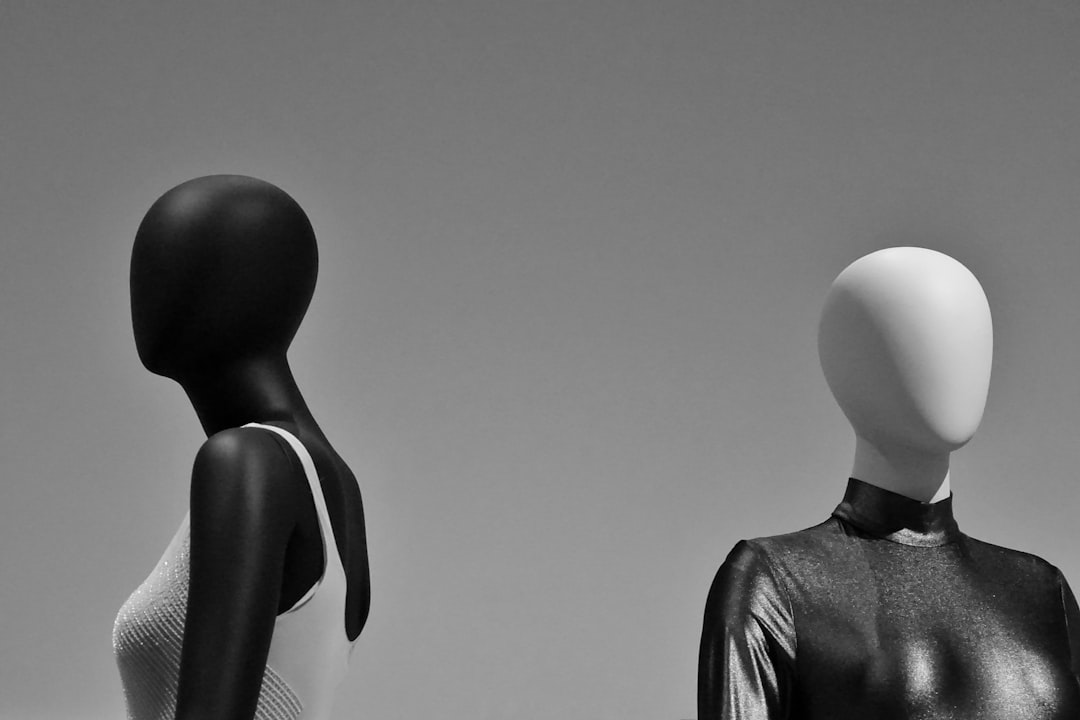
In the ever-evolving landscape of fashion, where trends change as rapidly as the seasons, the quest for a unique style often intersects with broader considerations of sustainability and self-expression. As consumers become more aware of the impact their clothing choices have on the planet, many are asking: how can we balance personal style with a commitment to eco-friendly practices?
The rise of eco-conscious fashion has sparked a movement towards sustainable practices within the apparel industry. Brands that prioritize ethical sourcing and production methods are gaining traction among consumers who seek to make informed choices. This shift is not just about avoiding fast fashion; it’s about investing in quality, timeless pieces that contribute to a more sustainable wardrobe.
But what does sustainable fashion really look like? It’s more than just choosing organic cotton or recycled materials. It encompasses the entire lifecycle of a garment—from the design process to its end of life. Fashion brands that embrace transparency are leading the way, providing consumers with insights into their supply chains and manufacturing processes. This kind of accountability allows consumers to make choices that align with their values.
In the realm of style, the fusion of sustainability and self-expression opens up exciting possibilities. Many fashion enthusiasts are now turning to thrift stores, vintage shops, and online resale platforms to discover unique pieces that tell a story. The thrill of the hunt for that perfect item not only promotes a sustainable approach to shopping but also allows individuals to curate a wardrobe that reflects their personality and creativity. Every vintage find can be a conversation starter, an expression of one’s journey through fashion.
Additionally, DIY fashion is gaining momentum as a way for individuals to express their unique style while minimizing waste. Whether it’s upcycling old clothing into something new or personalizing garments with patches and embroidery, DIY projects allow for endless creativity. Not only does this approach encourage innovation, but it also fosters a deeper connection to the clothing we wear. Each piece becomes a canvas for self-expression, infused with personal memories and artistry.
As we navigate the intricacies of personal style, it’s essential to consider the psychological impacts of fashion. Clothing is more than just fabric; it’s a form of communication. The colors we choose, the styles we wear, and even the brands we support can influence our mood and self-perception. Wearing clothes that resonate with our identity can boost confidence and promote a sense of well-being.
Moreover, emerging trends such as gender-neutral fashion and inclusive sizing are challenging traditional notions of style, promoting a more expansive view of what fashion can be. The idea that fashion should be accessible to everyone, regardless of gender or body type, encourages a culture of acceptance and self-love. This progressive movement not only expands the definition of beauty but also inspires individuals to embrace their uniqueness.
Yet, the dialogue around fashion is incomplete without discussing the price tag associated with style choices. Luxury brands often tout exclusivity and craftsmanship, but at what cost? Affordable fashion has made style accessible to many, but the fast fashion model poses significant ethical dilemmas. Striking a balance between luxury and affordability is a challenge that consumers face daily.
Ultimately, the world of fashion is a tapestry woven from diverse threads of culture, individuality, and responsibility. As we continue to redefine our personal styles, let us do so with a consciousness that honors both our self-expression and our planet. By supporting sustainable brands, exploring thrift options, and embracing DIY fashion, we can contribute to a more ethical and vibrant fashion landscape. The journey of fashion is not merely about the clothes we wear; it’s about the stories we tell and the impact we make on the world around us. So, as you navigate your wardrobe, remember that every choice is an opportunity to express who you are and what you stand for.